
ALL RUNNING TOURS IN SAO PAULO |
|---|
SIGHTSEEING RUNNING TOURS IN SAO PAULO
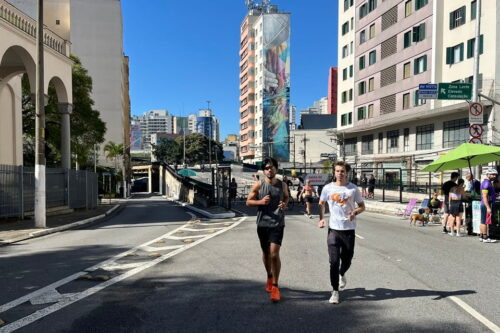
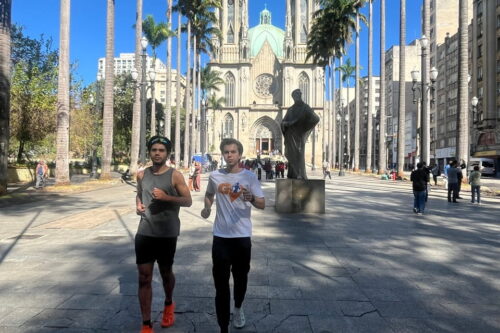
“JUST RUN” RUNNING TOURS IN SAO PAULO
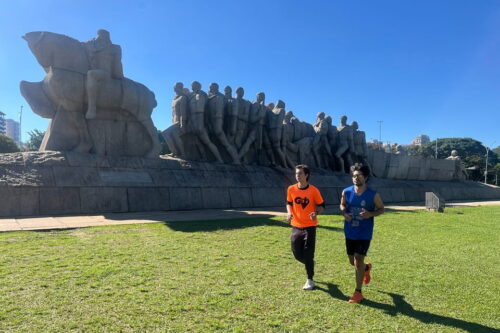
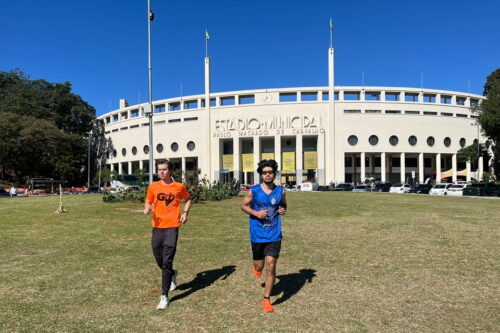
CORPORATE TOURS IN SAO PAULO
São Paulo is a city of immense layers, geological, historical, and cultural. To truly understand it, one must look both at its modern skyline and its deep-rooted foundations. Founded in 1554 by Jesuit priests, the city evolved from a small colonial mission into a global powerhouse and the largest city in the Southern Hemisphere, now home to over 12 million people.
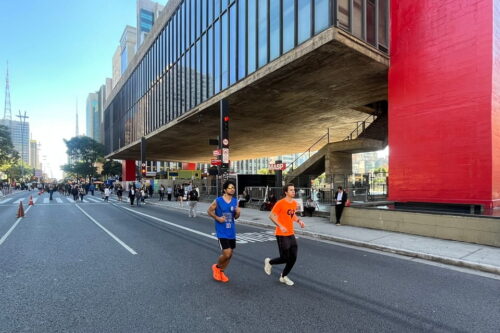
Often called “the city that never slows down,” São Paulo is the economic and cultural heart of Brazil. Its identity is defined by its diversity and “wild” energy, where historic architecture stands alongside cutting-edge skyscrapers. From the high-energy heartbeat of Avenida Paulista and the iconic red pillars of MASP to the vast logistics corridors of the Rodovia dos Bandeirantes and Rodoanel, the city reveals its character through its sheer scale and constant motion.
It is a metropolis of contrasts, where dense urban districts like the Marginal Tietê valley stretch toward green ecological barriers like the Serra da Cantareira. Landmarks like the Roda Rico ferris wheel near the Pinheiros River offer modern perspectives of a city that has been a center of migration and opportunity for centuries.
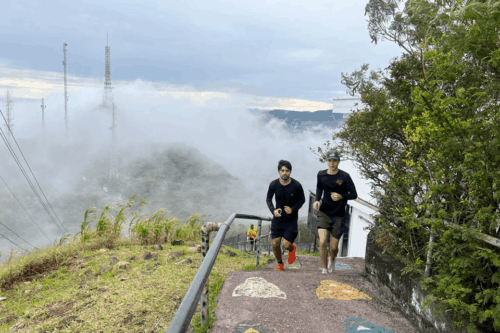
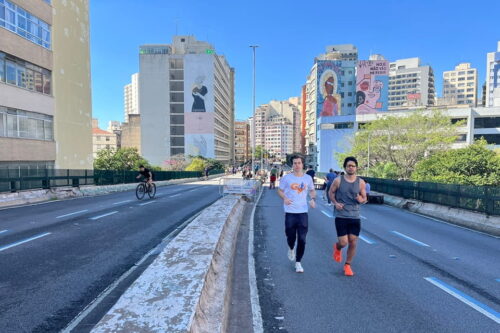
Running in São Paulo is more than just a workout; it is an immersion into a vibrant urban pulse. Whether navigating the “vão livre” of a world-class museum or exploring the quiet remnants of the Atlantic Forest that still hug the city’s edges, you are running through a living history that is as loud
and intense as it is full of unique character.