
ALL RUNNING TOURS IN HAMBURG |
|---|
SIGHTSEEING RUNNING TOURS IN HAMBURG
“JUST RUN” RUNNING TOURS IN HAMBURG
CORPORATE TOURS IN HAMBURG
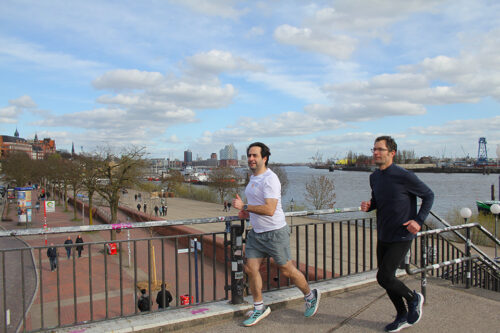
Hamburg is Germany’s second-largest city and one of Europe’s great port capitals. Located on the Elbe River, the city has long been shaped by maritime trade and international exchange.
For centuries, Hamburg has served as a gateway between Germany and the wider world. The city is often called “Tor zur Welt”, meaning “Gateway to the World.” Through its harbor, goods, people, and ideas moved between Northern Europe and global trade routes, connecting not only Germany but much of Central Europe to distant markets and continents.
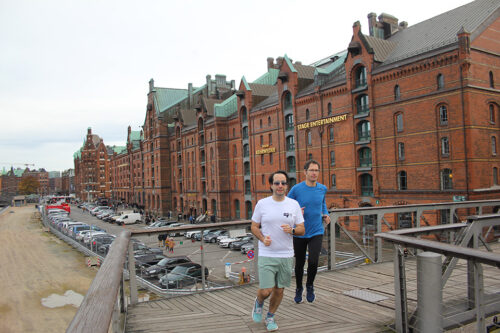
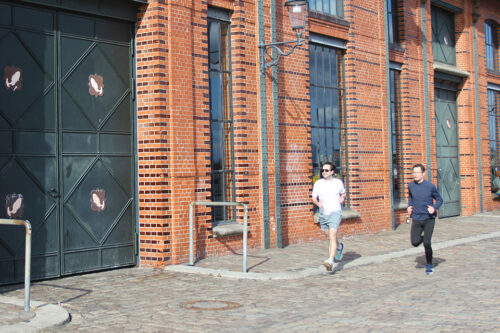
Today this maritime heritage remains a defining part of the city. Historic warehouse districts built for global commerce now stand alongside modern waterfront neighborhoods, reflecting how Hamburg continues to evolve while maintaining strong ties to its past.
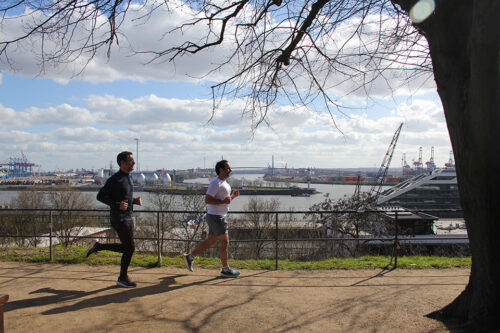
Water plays an essential role in everyday life. Lakes, canals, and rivers run through the city, creating space for recreation and relaxation. Many residents spend their free time along the waterfront paths and parks that surround these waterways.
Hamburg also has a rich cultural life. The city has long been connected to music, from classical traditions to lively club scenes and international performances. Certain neighborhoods are well known for their nightlife, theaters, and live music venues, where the atmosphere changes dramatically from day to night.
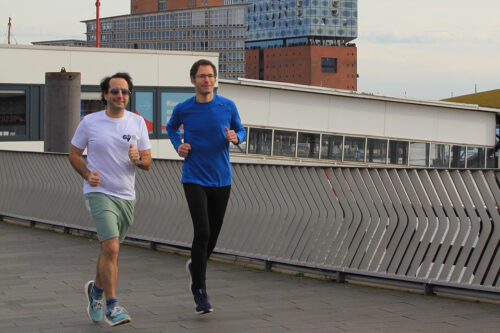
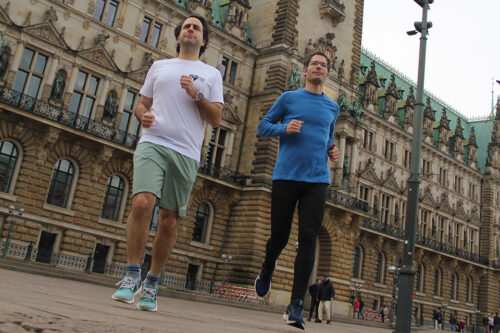
Today Hamburg is a dynamic and diverse city where maritime heritage, cultural life, and modern urban energy coexist. Exploring it on foot, and especially by running, offers a unique way to discover its many layers.